Color Psychology for Lasting, Earth‑Friendly Eating

Step into a vivid exploration of the psychology of color cues in building sustainable eating habits. Discover how hues on plates, shelves, and screens quietly steer cravings, portions, and choices, helping you favor plants, reduce waste, and enjoy nourishing meals with ease. We will translate research and real-life experiments into friendly actions you can try today, inviting conversation, reflection, and playful creativity, so your kitchen, grocery trips, and routines become brighter allies on a gentler, planet‑minded journey.

How Hues Shape Cravings and Choices

Colors influence attention, emotion, and expectation long before a bite reaches your lips, and that soft guidance accumulates into everyday patterns. By understanding how hue, saturation, and brightness interact with memory and context, you can stage simple visual prompts that favor produce, mindful portions, and slower chewing. We will unpack practical cues you can test in minutes, noticing what truly helps, what backfires, and how to adjust without stress or strict rules.

Designing Kitchen and Tabletop Environments
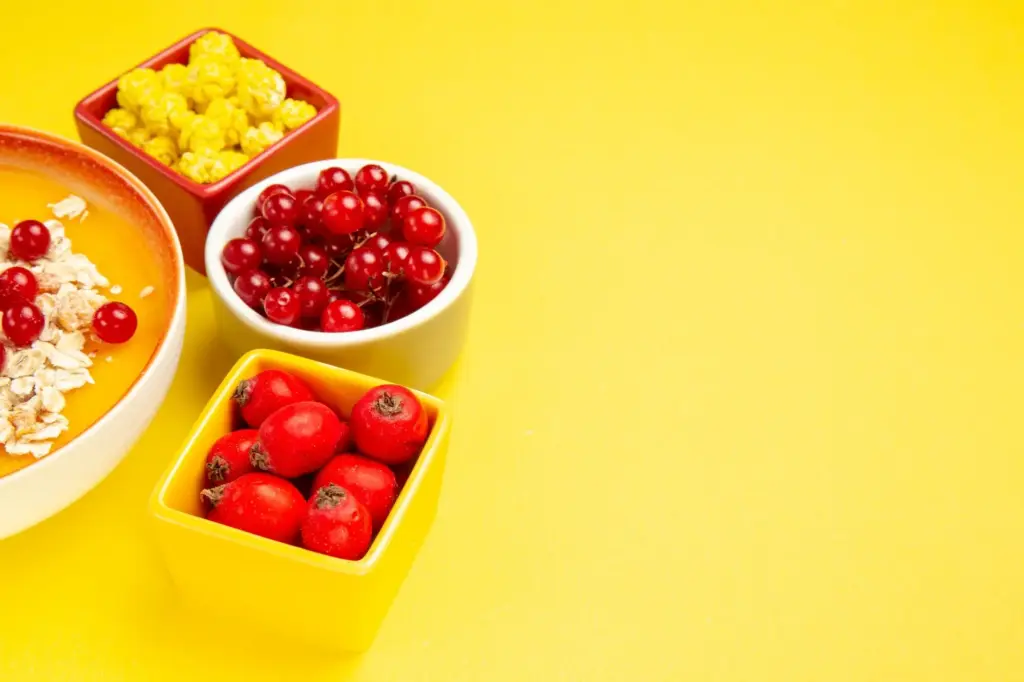
Your surroundings nudge more than willpower ever will. By shaping color contrasts on plates, shelves, storage, and counters, you make nutritious options easy to see, reach, and celebrate, while indulgences become slightly less salient. With a few deliberate swaps—no costly remodel required—you can create spaces that remind, encourage, and cheer you on throughout the day. The goal is frictionless progress: tiny steps that repeat effortlessly and compound into confidence.

Plates, Bowls, and Contrast that Guide Portions
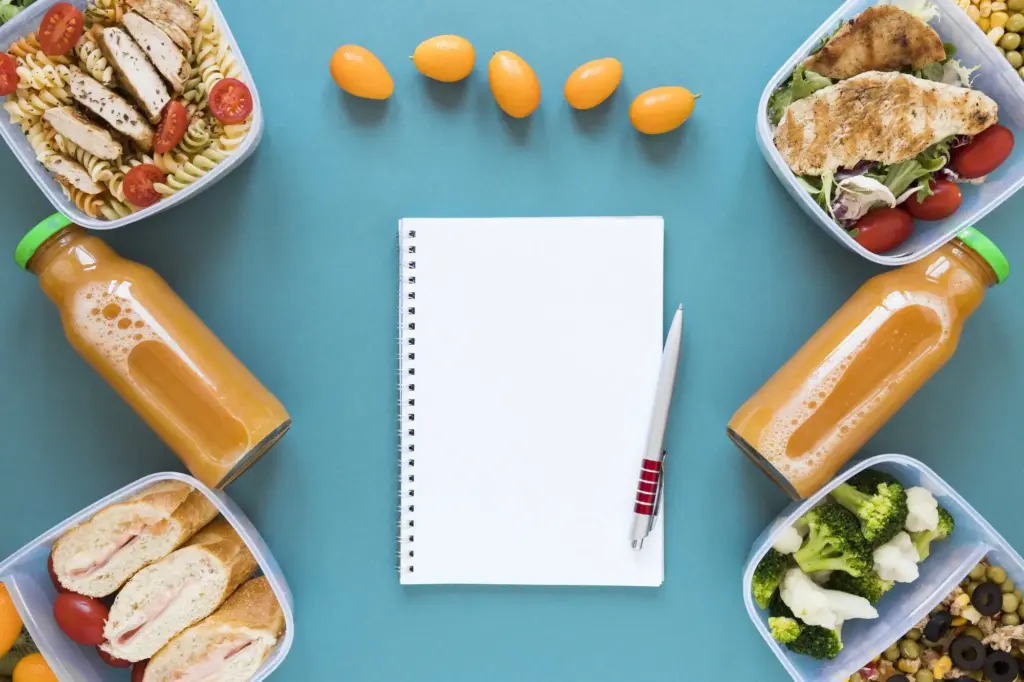
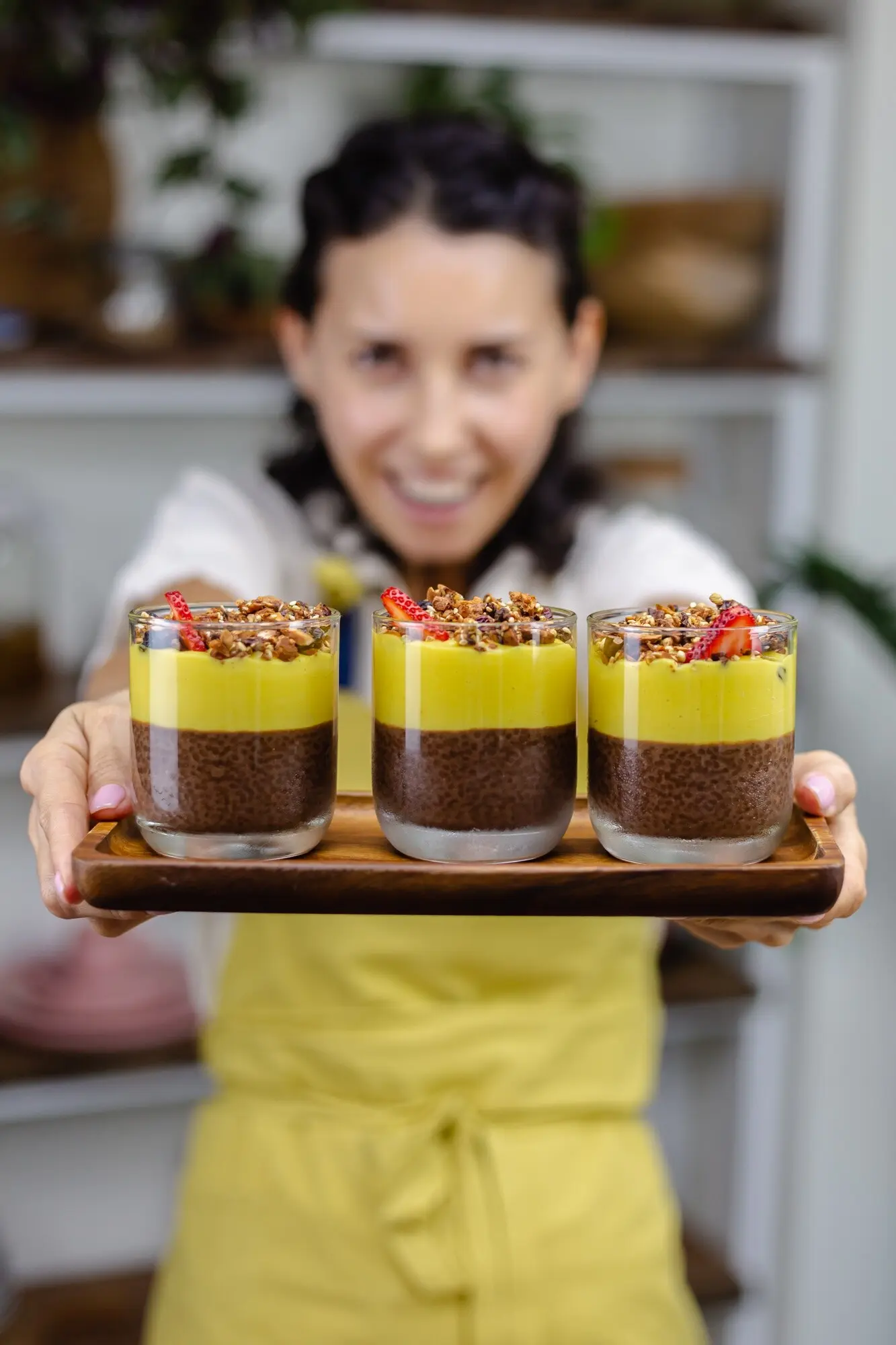
High contrast between food and plate helps you perceive portions clearly, reducing accidental over-serving, while harmonious backgrounds keep vegetables inviting. Try light plates for leafy greens, darker plates for rice or potatoes, and colorful napkins to slow the pace. Arrange serving bowls so the brightest vegetables land first in the line. These modest shifts shape first scoops and make seconds more intentional, supporting satiety, appreciation, and less unnoticed overeating.

Fridge and Pantry with Color Zoning

Design shelves with color-coded zones that spotlight produce and proteins you want to reach for first. Use clear containers for prepped vegetables, green lids for grains and legumes, and neutral tones for sweets. Place vibrant salad jars at eye level and tuck treats in opaque bins lower down. Label gently, not bossily, so the system feels encouraging. The moment the door opens, your eyes meet options that whisper yes to today’s intentions.

Shopping and Menu Decisions Made Easier
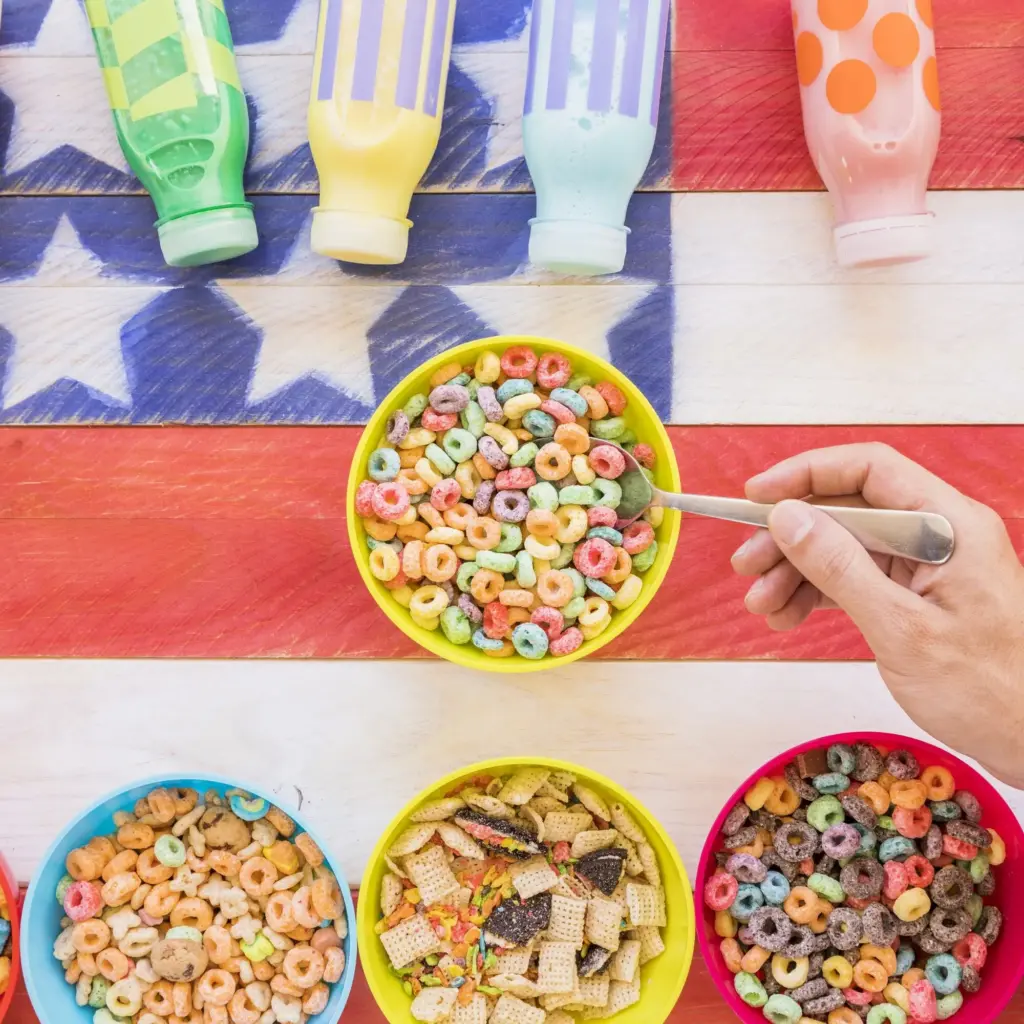
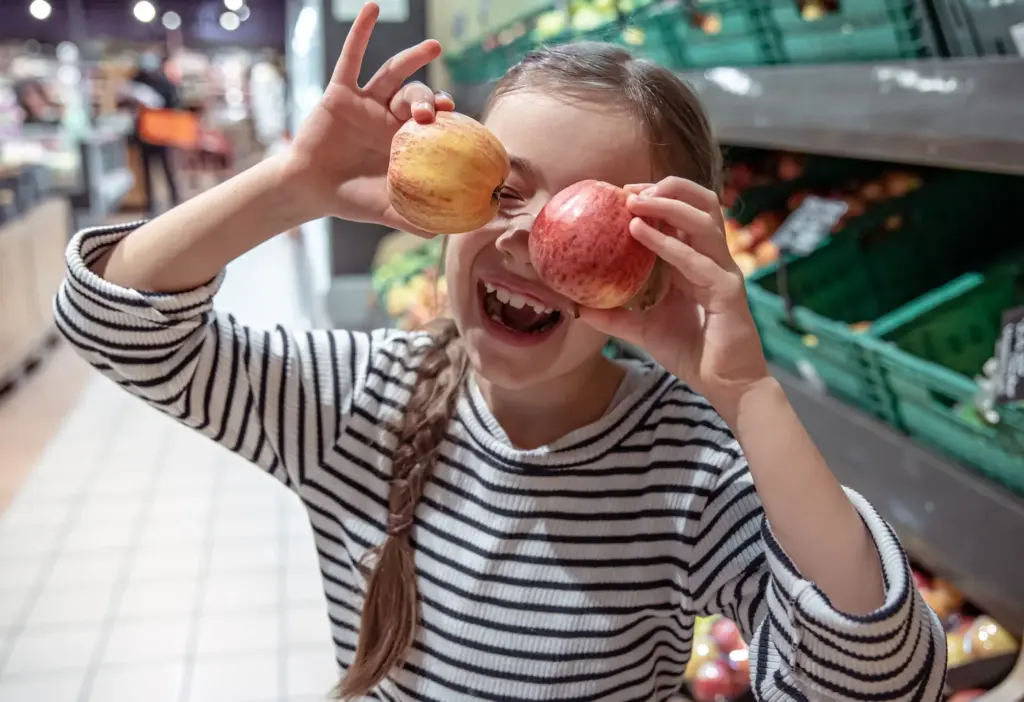
Outside the home, colors on labels, menus, and endcaps compete for your attention. With a little literacy, you can harness helpful cues and ignore noise. Plan for a spectrum of produce, use signage to your advantage, and keep hunger-timed decisions gentler. This is not about rigid rules, but about steering the shopping cart with curiosity and small wins, preserving energy for what matters—taste, pleasure, budget, and environmental care.

Color‑Anchored Habits that Stick

Lasting change grows from repeating cues that are easy, obvious, and rewarding. Color can anchor each step: a visible prompt, a convenient action, and a satisfying celebration. Rather than trying to overhaul everything, stack one small color-coded behavior onto an existing routine. As your brain learns the pattern, effort drops, confidence rises, and you discover a steady cadence that supports health, taste, and care for the planet.

Respecting Culture, Access, and Individual Differences
Color cues are powerful yet personal. Meanings shift across cultures and communities; accessibility and neurodiversity shape comfort; color vision differences alter perception. Sustainable habits must respect identity, budget, and context. The point is not conformity but choice: selecting signals that feel welcoming and effective for you and your household. With thoughtful adaptation, color becomes an inclusive ally rather than a one-size-fits-all instruction shouted from a packaging billboard.

Keep Momentum through Community

Color cues flourish when shared. Partners, roommates, kids, and colleagues notice, reinforce, and sometimes challenge your experiments, helping refine what sticks. Invite others to taste, vote, and play with options so changes feel communal rather than imposed. When setbacks appear, stories and support rekindle momentum. Together, we can build delicious routines that respect personal preferences, budgets, and the planet—one bright bowl, label, lunchbox, and kind conversation at a time.

Experiment, Review, and Iterate without Perfectionism

Treat each week like a mini design sprint. Choose one color cue to test, set a playful goal, and review what happened without blame. Did green placement boost salad reach? Did a blue mug curb dessert? Keep the winners, retire the rest, and share results in the comments. Your reflections help others, and their ideas spark your next experiment, creating an uplifting cycle of progress, learning, and renewed enthusiasm.

Family Tables and Shared Spaces

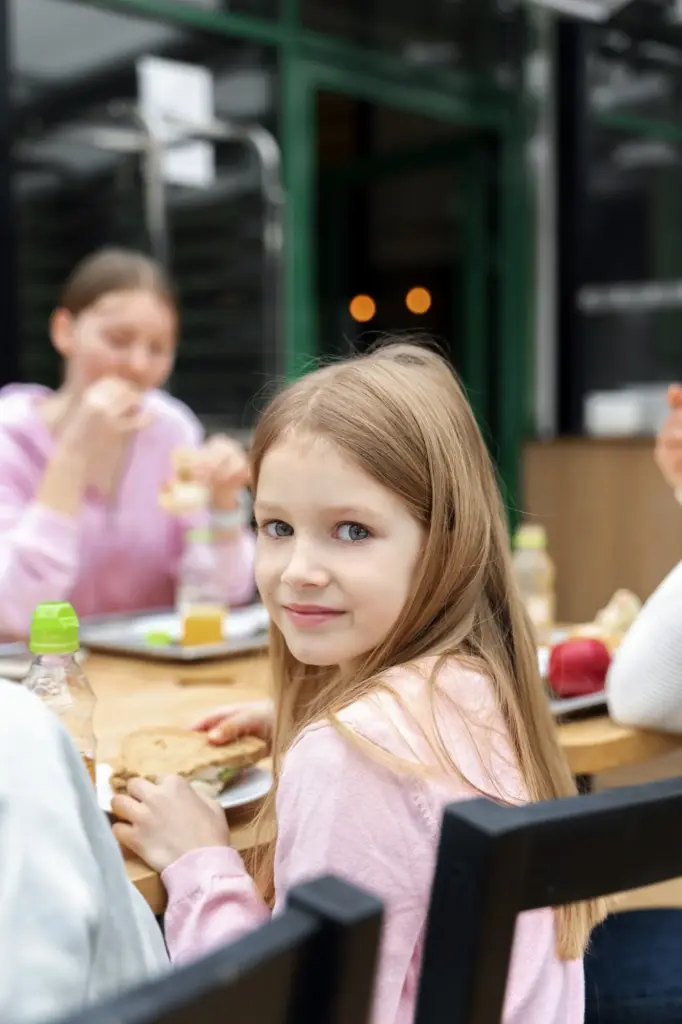
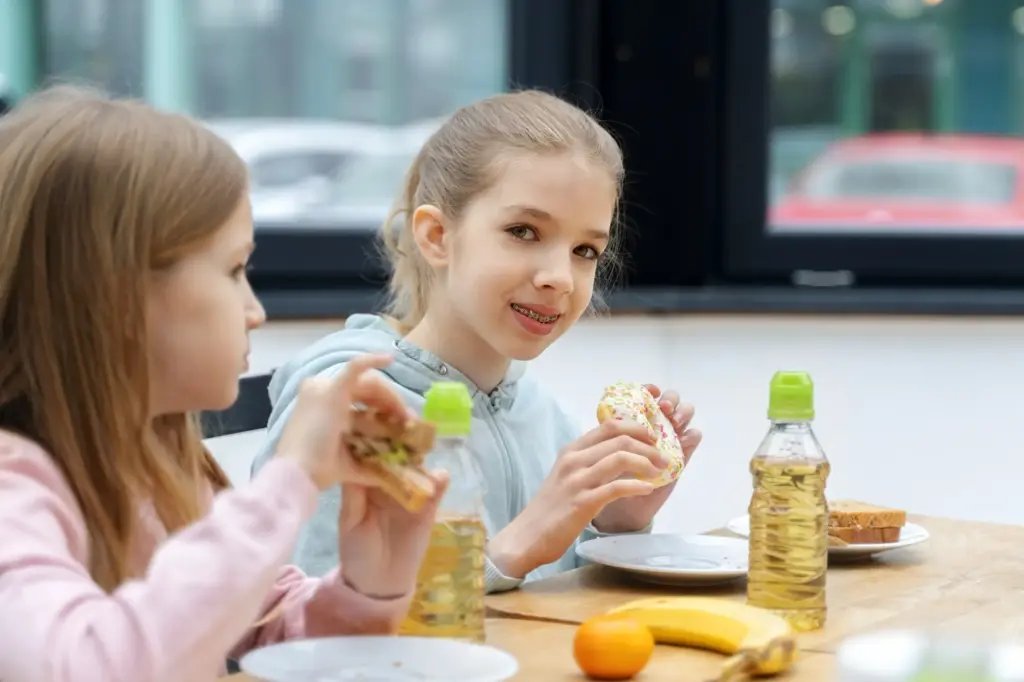
Set the table with a centerpiece of colorful chopped vegetables, a stack of small plates, and water infused with citrus or herbs. Make the first reach easy and inviting. In offices or dorms, create a shared snack shelf with green labels for everyday picks. Small spectacles of color encourage conversation, reduce decision friction, and allow everyone to personalize portions while still nudging the group toward satisfying, lower-impact choices together.

Join the Conversation and Share Your Palette

We would love to see your setups and hear what worked. Post a snapshot, describe your favorite cue, or ask a question about a stubborn moment like late-night takeout. Subscribe for future color experiments, printable guides, and seasonal produce palettes. Your messages shape what we explore next, ensuring the ideas remain practical, welcoming, and alive in real kitchens, markets, cafeterias, and community spaces we all share.

Zorinexolentovelto
Privacy Overview

This website uses cookies so that we can provide you with the best user experience possible. Cookie information is stored in your browser and performs functions such as recognising you when you return to our website and helping our team to understand which sections of the website you find most interesting and useful.