

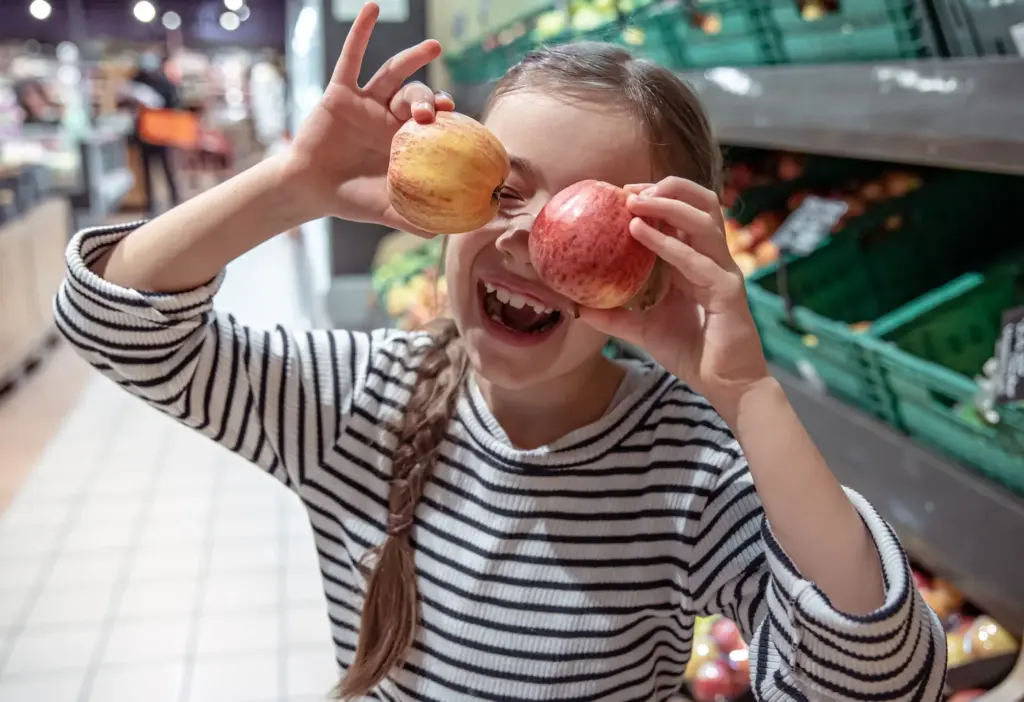

Explain the Why Without Lecturing
Use warm, empowering language that frames colors as helpful reminders, not commands. Short videos in health class can show playful experiments. Posters describe benefits simply, linking colors to energy for recess and focus in math. Clear intentions reduce skepticism and encourage students to test the cues themselves.
Bridge Home and School
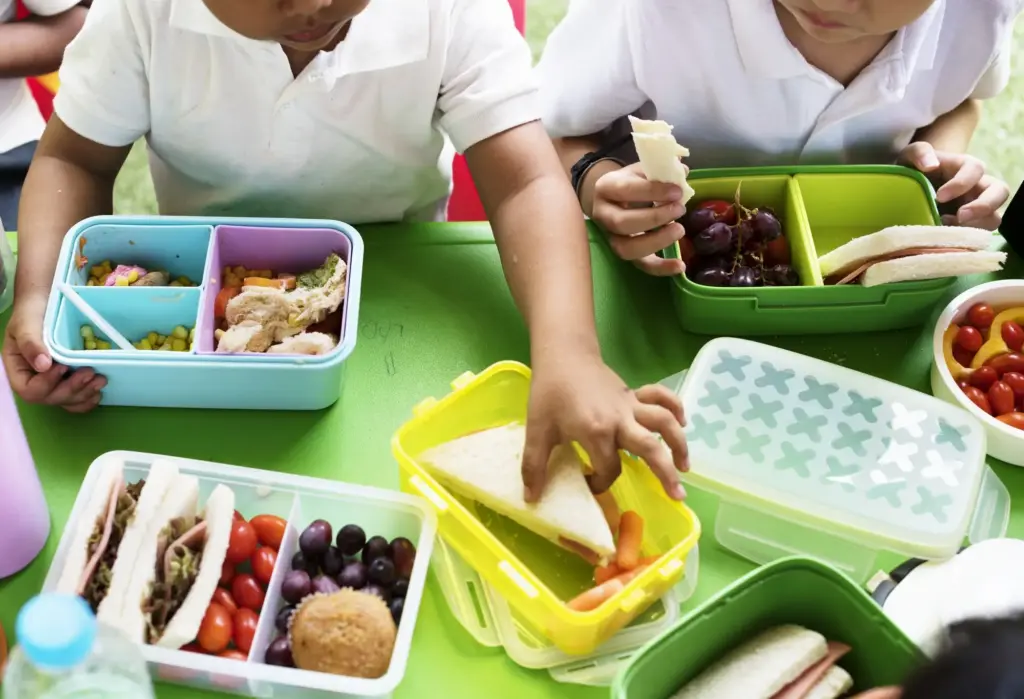
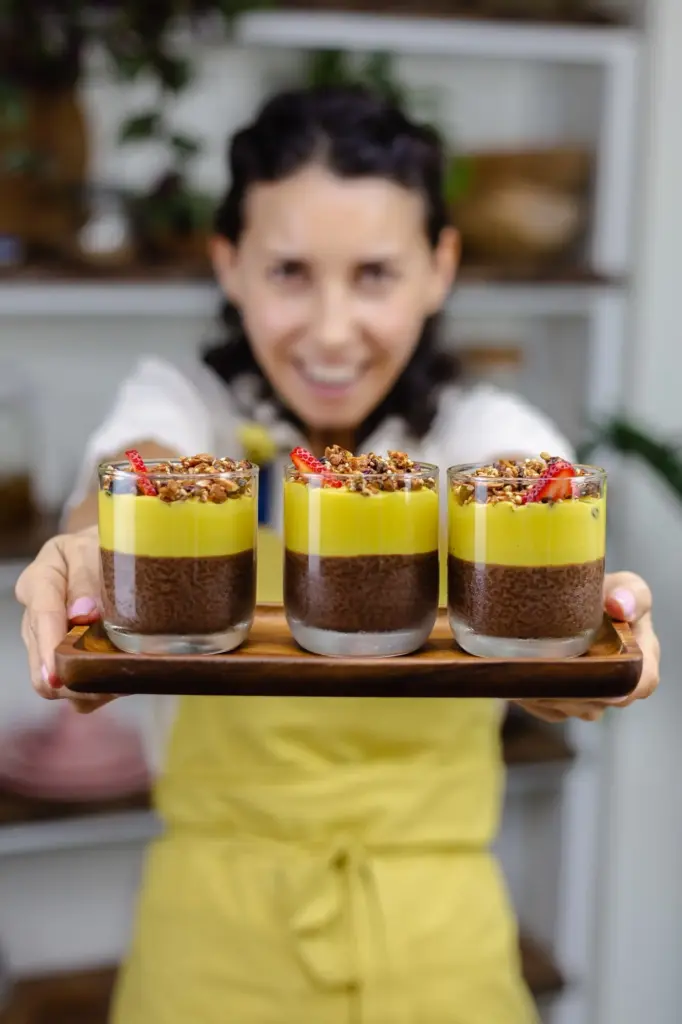
Send home printable color keys, grocery scavenger hunts, and simple, budget-friendly recipes that match cafeteria cues. Caregivers appreciate clarity and options their children already recognize. The shared language shortens the learning curve, transforming small cafeteria wins into household habits that stick long after the lunch bell rings.
Partner with Local Farms and Stores
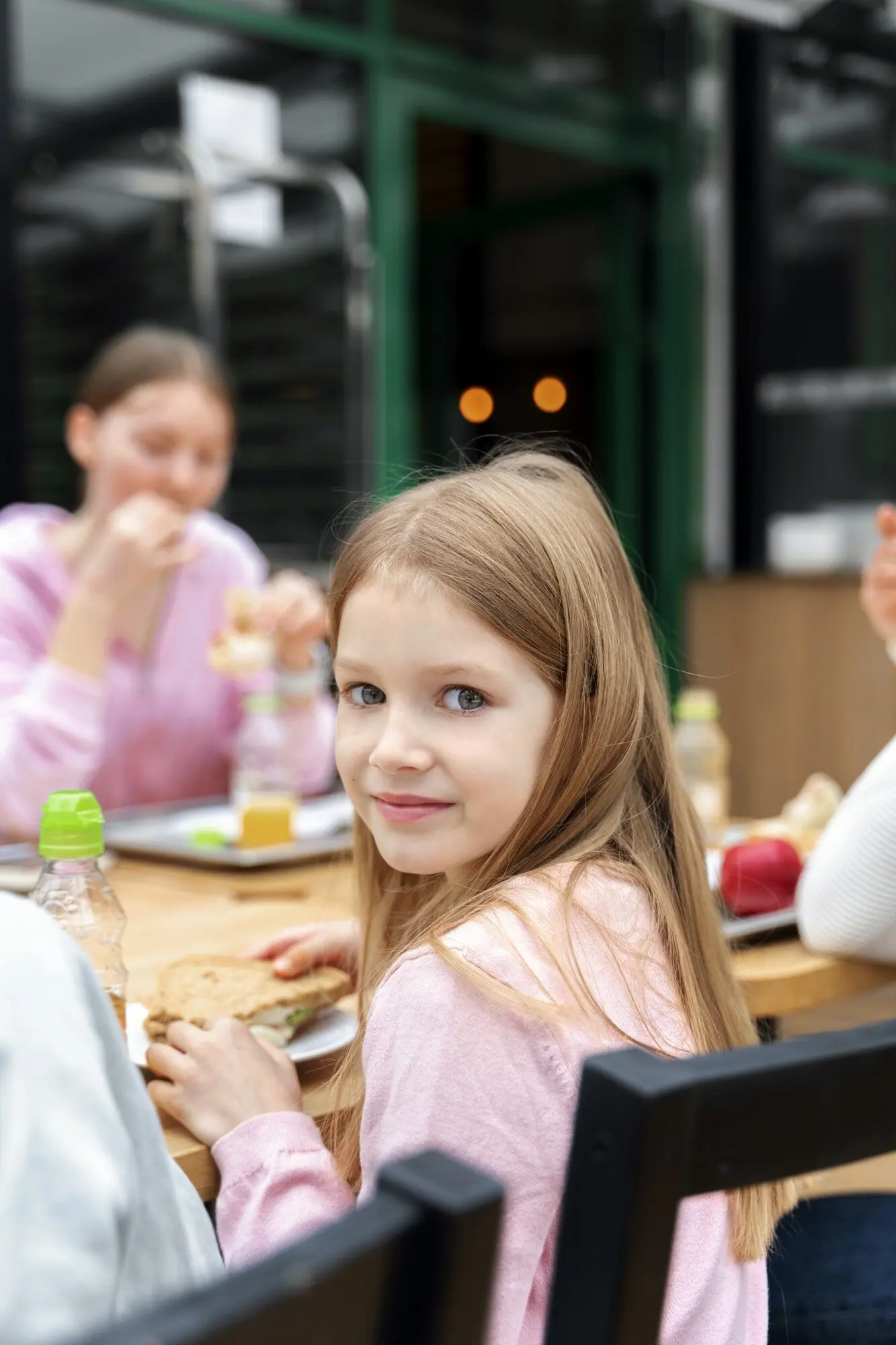
Coordinate tasting tables, farmer visits, and signage in neighborhood markets that mirror the cafeteria color palette. Students spot familiar symbols while shopping, sparking conversations and confident choices. Community partnerships expand reach, reinforce learning, and celebrate regional produce, creating a joyful loop from field to tray to family table.