Colorful Plates, Calm Evenings

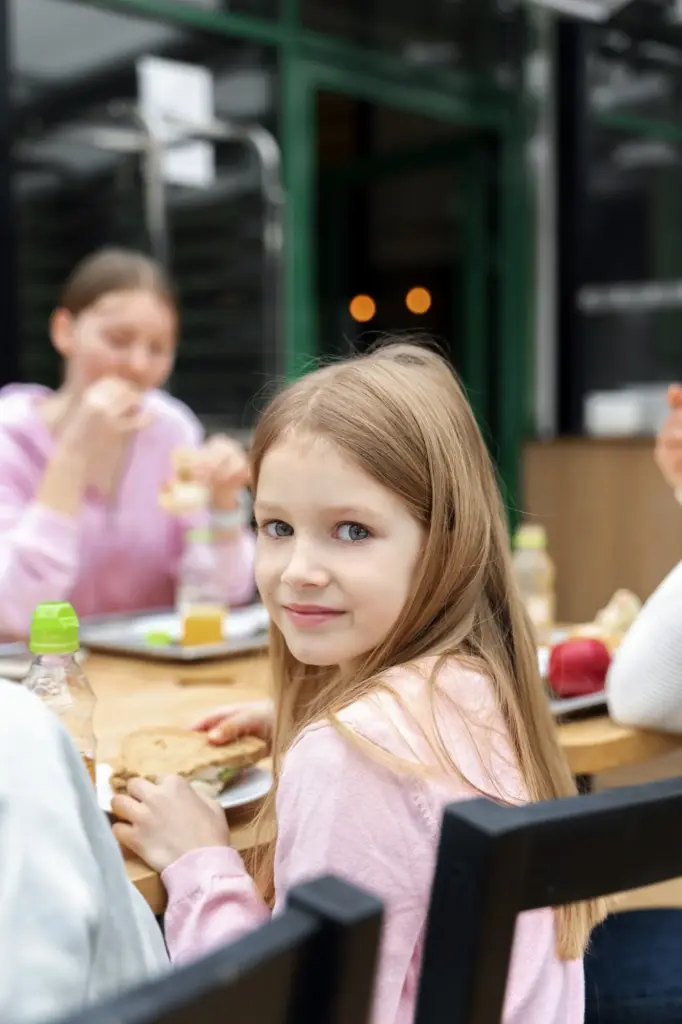
We are exploring family meal routines built around plate color signals, turning everyday dinners into smooth, shared rituals. By assigning clear meanings to plate colors, families reduce decision fatigue, encourage balanced portions, and make expectations visible for kids and adults alike. Start playful, keep it kind, and watch cooperation grow as color cues quietly guide choices, conversations, and cleanup with far less nagging and a lot more joy.

Why Color Cues Work at the Table

Consistent visual signals reduce friction because the brain loves predictable patterns. When a green plate always nudges vegetables first, or a blue plate suggests slower bites, the cue does quiet coaching before anyone speaks. Over time, these micro-reminders become comforting routines that protect connection, improve nutrition, and ease nightly stress without lectures or elaborate charts.

Start Small and Build Momentum

The most successful systems begin with fewer rules and quick wins. Pick two colors, define clear meanings, and test them for a single week. Celebrate any improvement, however modest. Then refine, add a color, or simplify if things feel heavy. Momentum comes from kindness, not perfection, and brief check-ins help the routine evolve alongside changing schedules and appetites.

Designing Your Plate Palette

Green Means Garden

Use green plates to invite one vegetable or fruit first, even if it is just a single bite. Share tiny victories, like discovering cucumbers taste better chilled, or roasting carrots sweetens them delightfully. Celebrate curiosity, not volume. Over months, exposure gently normalizes color, texture, and crunch, lowering anxiety and building a broader, kinder relationship with plants.

Blue for Calm Evenings

Blue plates signal slower chewing, lighter chatter, and earlier wind-down routines, especially on school nights. Set a cozy tone: softer lights, fewer screens, warmer water for tea or milk. Invite everyone to notice flavors and textures. Calm plates help transitions to homework, baths, and bedtime feel supported by environment, not enforced by voice, which reduces resistance.

Yellow Sparks Conversation

Yellow plates spotlight connection. The person with yellow leads one friendly question, gratitude round, or tiny game. Rotate fairly so every family member practices guiding respectful talk. Over time, shy voices strengthen, louder voices soften, and the table learns to share airtime with warmth. The color makes hosting playful, manageable, and beautifully visible without formal rules.

Weeknight Routines That Actually Stick

Busy evenings demand reliability. Anchor recurring meals to colors so no one invents plans under pressure. Tuesday might be green-first stir-fries, Wednesday blue for slower soups, Thursday yellow for leftovers plus conversation prompts. Rotate responsibilities with color assignments, keep grocery lists aligned, and protect a tiny buffer for surprises. Predictability fuels creativity because the foundation already holds.

Inclusive, Flexible, and Kind

Color-Blind Friendly Options

Pair colors with shapes, icons, or rim patterns so meanings stay accessible. For example, raised dots for produce-first, wavy lines for slow bites, or a sun icon for hosting. Announce both cues aloud. Mixed sets are fine; consistency matters more than matching styles. This inclusive layer invites everyone into the routine without asking anyone to strain or guess.
Sensory-Smart Serving

Pair colors with shapes, icons, or rim patterns so meanings stay accessible. For example, raised dots for produce-first, wavy lines for slow bites, or a sun icon for hosting. Announce both cues aloud. Mixed sets are fine; consistency matters more than matching styles. This inclusive layer invites everyone into the routine without asking anyone to strain or guess.

Guests and Grandparents

Pair colors with shapes, icons, or rim patterns so meanings stay accessible. For example, raised dots for produce-first, wavy lines for slow bites, or a sun icon for hosting. Announce both cues aloud. Mixed sets are fine; consistency matters more than matching styles. This inclusive layer invites everyone into the routine without asking anyone to strain or guess.

Track Progress and Keep It Fun

Measure what matters lightly. Instead of calorie counting, track cooperation moments, new-food tastes, calmer bedtimes, or reduced kitchen cleanup time. Use stickers, quick tallies, or fridge notes. Host a five-minute weekly huddle to celebrate wins, retire clunky ideas, and plan tiny tweaks. Invite readers to comment with palettes, subscribe for printables, and share photos for inspiration.
Zorinexolentovelto
Privacy Overview

This website uses cookies so that we can provide you with the best user experience possible. Cookie information is stored in your browser and performs functions such as recognising you when you return to our website and helping our team to understand which sections of the website you find most interesting and useful.