

Brighter Plates, Healthier Choices

Today we dive into school cafeteria initiatives that use plate colors to promote nutrition, showing how simple visual cues can spark curiosity, reduce decision fatigue, and make fruits, vegetables, and whole grains feel inviting. Expect practical tips, real stories, and invitations to test ideas, share results, and inspire joyful, nourishing habits together.

Color Cues That Nudge Kids Toward Better Bites

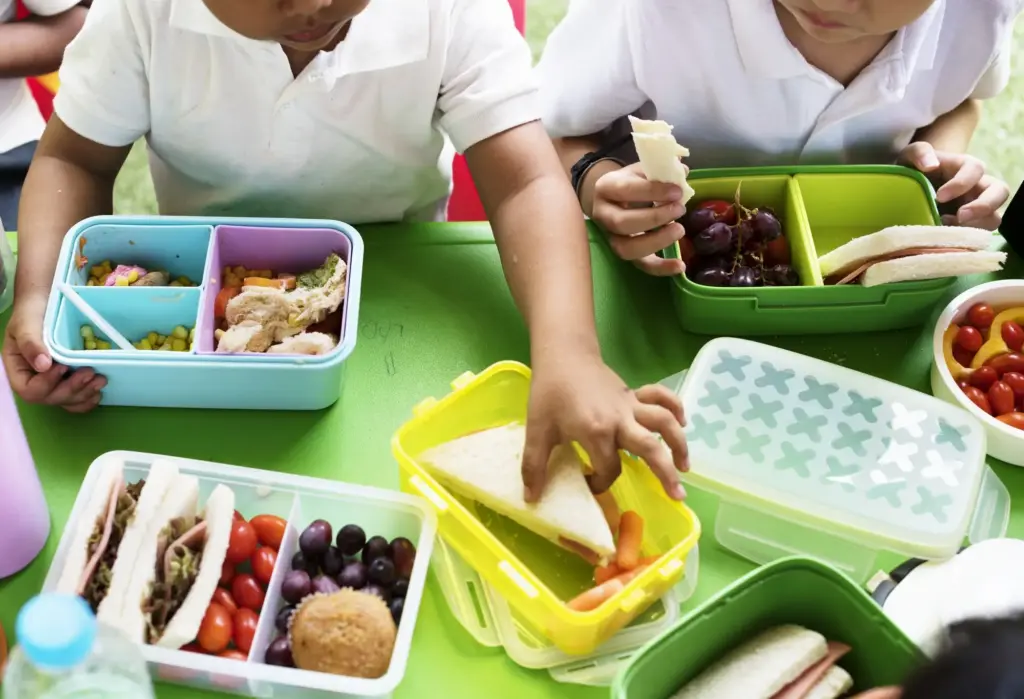
Across bustling lunch lines, color can do quiet, powerful work. When green plates or tray zones signal produce, and warm hues mark hearty whole grains, students notice without lectures. This gentle guidance reduces hesitation, highlights variety, and turns nutritious choices into approachable defaults that feel friendly, fun, and genuinely theirs.

Why Hues Matter in Busy Lunch Lines

In crowded cafeterias, decisions happen quickly, often guided by whatever stands out first. Bright, purposefully chosen plates and tray sections act like helpful signposts, grabbing attention before impulse snacks do. By simplifying choices, color supports autonomy, speeds movement, and builds small, repeated wins that strengthen healthier instincts over time.

Designing a Palette That Matches Nutrition Goals

Begin by mapping colors to food groups with clarity and kindness: green guiding vegetables, blue suggesting hydration, and earthy tones welcoming whole grains. Pair plates with matching labels and upbeat illustrations. Involve students early, test prototypes, and refine together so the visual language feels inclusive, intuitive, and proudly student-owned.

Evidence, Ethics, and Real-World Results

Color guidance works best when paired with honest measurement and respect. Track selections, waste, and participation, then listen to students and staff. Celebrate improvements while acknowledging limits, adjusting respectfully. This balance builds trust, sustains momentum, and turns one clever idea into a dependable part of everyday wellbeing at school.

What We Can Measure Reliably

Use simple plate-waste audits, point-of-sale reports, and short pulse surveys to triangulate impact without burdening teams. Observe which colors draw attention, which stations bottleneck, and what returns untouched. Repeat monthly, compare seasons, and share findings openly so adjustments feel collaborative, transparent, and genuinely responsive to lived cafeteria realities.

Guardrails for Respectful Influence

Nudges should feel supportive, never shaming. Offer opt-outs, avoid moralizing foods, and ensure allergen-safe alternatives appear across every color. Provide multilingual explanations, design with dignity, and check accessibility. When students feel choices remain theirs, they trust the cues and keep experimenting rather than resisting or gaming the system.

Practical Setup for Any Cafeteria Budget

You can launch eye-catching color guidance without expensive dishware. Repurpose trays, add washable silicone bands, or apply food-safe decals that stand up to daily cleaning. Pair visual cues with smart placement and upbeat signage. Small, thoughtful tweaks compound, shaping routines while respecting time, money, and operational realities.

Engaging Students Through Creativity and Ownership

When students co-create color cues, they defend them proudly. Invite councils, art classes, and clubs to name hues, draw mascots, and design posters. Peer-to-peer leadership transforms compliance into enthusiasm, making nutritious choices feel like a shared movement rather than a rule handed down from adults.

Culturally Responsive Color Choices and Menus

Colors carry meanings that vary across communities. Choose palettes and examples that honor traditions and showcase familiar produce. When students recognize beloved dishes and ingredients highlighted respectfully, curiosity turns to comfort, and comfort opens doors to discovering new textures, flavors, and nourishing combinations without stereotyping or token gestures.

Communication That Extends Beyond the Cafeteria

Reinforce cafeteria cues with classroom tie-ins, family newsletters, and friendly social posts. Share photos, menus, and quick explanations of color meanings. Invite feedback and recipes. When messaging travels home, habits compound, and students return ready to explore, having already discussed choices with trusted adults and peers.

Explain the Why Without Lecturing

Use warm, empowering language that frames colors as helpful reminders, not commands. Short videos in health class can show playful experiments. Posters describe benefits simply, linking colors to energy for recess and focus in math. Clear intentions reduce skepticism and encourage students to test the cues themselves.
Bridge Home and School

Send home printable color keys, grocery scavenger hunts, and simple, budget-friendly recipes that match cafeteria cues. Caregivers appreciate clarity and options their children already recognize. The shared language shortens the learning curve, transforming small cafeteria wins into household habits that stick long after the lunch bell rings.
Partner with Local Farms and Stores

Coordinate tasting tables, farmer visits, and signage in neighborhood markets that mirror the cafeteria color palette. Students spot familiar symbols while shopping, sparking conversations and confident choices. Community partnerships expand reach, reinforce learning, and celebrate regional produce, creating a joyful loop from field to tray to family table.

Continuous Improvement with Data and Delight

Sustain impact by blending curiosity with celebration. Keep experiments small, routines steady, and communication bright. Share progress charts students understand at a glance. Recognize classroom champions. Invite comments, questions, and photos, then refine designs seasonally so color cues remain fresh, trusted, and tightly linked to genuine wellbeing.
Zorinexolentovelto
Privacy Overview

This website uses cookies so that we can provide you with the best user experience possible. Cookie information is stored in your browser and performs functions such as recognising you when you return to our website and helping our team to understand which sections of the website you find most interesting and useful.